


£1.99

£2.48
£2.89

£5.99 - £19.99
£4.99 - £15.99

£5.99 - £19.99
£4.99 - £15.99

£5.99 - £19.99
£4.99 - £15.99
£4.95 - £19.99
£4.25 - £17.80
Discus Food
Discus fish, also known as Symphysodon, are a common species of tropical freshwater fish endemic to South America’s Amazon river basin. They are well-known for their vivid colours, distinctive form, and intriguing activity. Due to their specialised nutritional and water quality needs, these fish are popular among aquarists and are regarded as one of the most difficult fish species to raise in captivity.

Small crustaceans, worms, and insects are the primary foods of wild discus fish. They may be given a variety of diets in captivity, including pellet food, flakes, frozen food, and live food. To maintain maximum health and growth, it is critical to provide a balanced diet that contains a range of various types of food.
One of the most crucial components of discus fish care is feeding them a nutritious food. Feeding them a variety of foods will assist ensure that they get all of the nutrients they require to flourish. Pellets are a popular choice since they are generally accessible and can be easily crushed to suit tiny fish. Pellets often include a well-balanced mix of nutrients, making them an excellent choice for discus fish.
Frozen and live food are also excellent choices for discus feeding. Live brine shrimp, worms, and insects provide a natural diet that can be supplemented with frozen bloodworms, daphnia, and brine shrimp. A rudimentary system may also be used to cultivate live food at home.
Fresh veggies like cucumber, lettuce, and spinach are also favourites of discus fish. Once or twice a week, these veggies should be coarsely chopped and included to the diet.
It is preferable to feed discus fish little amounts of food several times a day rather than a single huge meal. This will aid in the prevention of uneaten food decomposing in the water, which can contribute to poor water quality. Furthermore, discus fish are known to be fussy eaters and may not take new foods straight away. It is critical to be patient and continue to provide different items to your fish until they accept them.
Variety is essential in discus fish nutrition. It is critical to give a diversified diet that contains a variety of foods to ensure that your fish receive all of the nutrients they require to flourish. Discus fish may survive in captivity for up to ten years if fed and cared after properly.
Frequently Asked Questions
What are the main ingredients in discus food?
Discus food is a type of fish food specifically designed to meet the dietary needs of discus fish. It is typically a high-protein, high-fat, and nutrient-rich food that provides all the essential vitamins and minerals that discus fish need to stay healthy. The main ingredients in discus food are fish meal, wheat germ, krill meal, shrimp meal, spirulina, and other vitamins and minerals.
What are the nutritional benefits of discus food?
Discus food is a type of fish food specifically designed for discus fish, a type of tropical fish native to South America. Discus food provides a balanced diet for discus fish and helps them to stay healthy and vibrant.
Discus food is typically made of a combination of proteins, carbohydrates, fats, vitamins, and minerals. It is high in protein, which is essential for the growth and maintenance of healthy discus fish.
What are the feeding habits of discus fish?
Discus fish are omnivorous, meaning they feed on both plant and animal matter. They are typically found in slow-moving, acidic waters in the Amazon basin, and their diet consists of a variety of items such as small insects, worms, crustaceans, and other small invertebrates. They also feed on plant matter such as algae, small bits of fruit and vegetables, and even flakes and pellets.
How often should discus fish be fed?
Discus fish should be fed two to three times a day. The amount of food given should be small, as discus fish are slow eaters and can easily become overfed. It is important to feed them a variety of foods, such as frozen or live brine shrimp, bloodworms, daphnia, and other high quality foods. Discus fish should also be given a high-quality flake or pellet food as a staple diet.
How long does discus food last before it needs to be replaced?
Discus food can last quite a while before it needs to be replaced, depending on the type of food you are using. Dry foods such as flakes and pellets can last up to a year or more if stored in an airtight container and kept in a cool, dry place. Freeze-dried foods can last up to two years if stored properly.
Are there any special considerations for feeding discus fry?
Yes, there are several special considerations for feeding discus fry. First, it is important to ensure that the food is the right size for the fry. Discus fry are very small and can easily choke on food that is too large. It is best to start with very small, finely ground food such as baby brine shrimp, daphnia, and other micro-organisms.
What are the most popular brands of discus food?
The most popular brands of discus food vary depending on the preferences of the individual discus keeper. However, there are a few brands that are widely regarded as the best for discus fish.
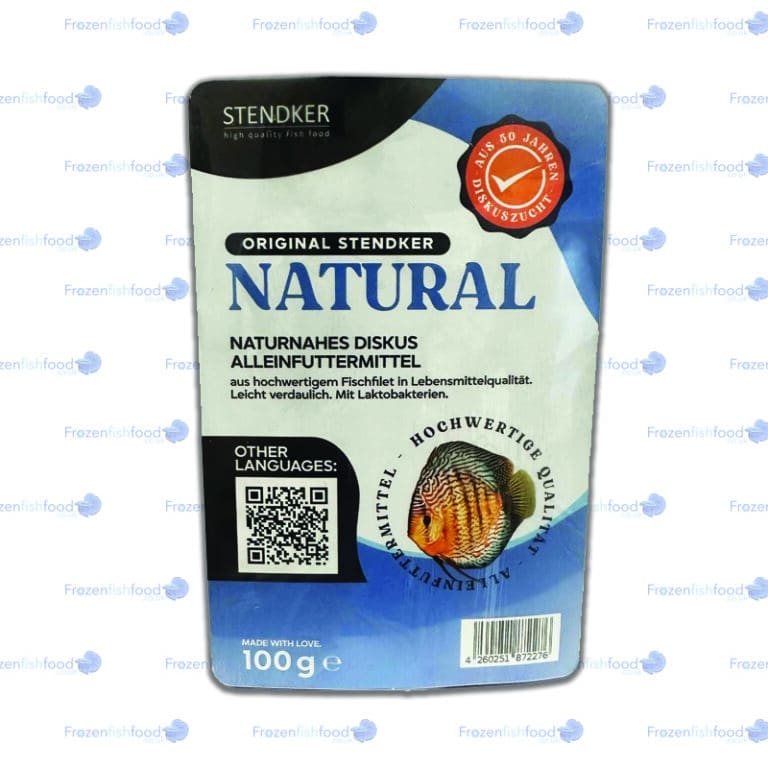
One of the most popular brands of discus food is Stendker.